Recent Posts

Sora Cart

Lorem ipsum dolor sit amet, consectetur adipiscing elit. Nulla elementum viverra pharetra. Nulla facilisis, sapien non pharetra venenatis, tortor erat tempus est, sed accumsan odio ante ac elit./p>

Friday, August 3, 2018

How to care Neon Tetra

- No comments


                Neon Tetras are good choice for the first time fish keeper. But keep mind that they can't care for themselves in the captive. It's very necessary to maintain the correct water/aquarium condition.
                 They are native to South America around the Amazon River basin. They grow up to 1.5 inch and they live 5-8 years.

Aquarium

                 They need at least 10 gallons (38 L) fresh Water holding tank. That provide them enough space for swimming and hiding. Adding more 10 gallon for additional 24 fishes you wan to keep.

Cycling your tank

                 Before adding eny fish you have to cycle your tank properly. Aquarium cycling helps to grow good bacteria and kills the harmful bacteria. Beneficial bacterias helps to create a good environment for your fishes. Make that sheore that process should be done before adding eny fish. And before adding fishes test your water with water testing kit and monitor the water parameter.

Add Plants

                 Add some aquatic or semi aquatic plant to create a natural look. Adding drift wood and rock provide them hiding space.

Light

                 Neon Tetras are dark water fish, to give a natural look dim your light and please the tank away from the sun. Plants and hiding space also helps to shade the lights.

Filtration

                 They need a moderate filtration system as they don't produce heavy wastage. But keep mind as they are very small fish they can be sucked into the filter intake to avoid such disasters cover the filter intake with filter sponge or plastic Nate.

Temperature

                 The water temperature should be around 70-80 °F (21-27 °C) using a aquarium adjustable heater. Use a aquarium thermometer to get the accurate reading.
           Bridging time the temperature should be 75 °F (24 °C).

Water Parameter

                  The water can be mildly acidic and the pH about 5.5 to 6.7(in breading time the pH should be lower around 5.0-6.0). Using a pH testing kit monitor the water pH label. If you don't have a Water test kit buy it from Aquarium shop or online.

Water change

                 They need clean water low in nitrates and phosphates to resist diseases. Do a 25-50% water change every couple of weeks(2 times in a month). And scrab out any algae growing out on etch part of aquarium, dacore,filter.

Feeding

                Neon Tetras are Omnivores that means they eat both Veges or Meat both.Feed them 2-3 times a day. Give them live wingless fruit flies,live or frozen brain shrimp, blood warms or pallets. keep that mind they scare to came up the upper water Laval to eat use a dropper to put the food near them.

Tank Mates

                 Neon tetras need to be in groups of six or more. Otherwise they'll get stressed and become ill. Avoid adding larger carnivorous fish whose diets might include tetras. Some acceptable tank mates include other tetras, algae-eating fish like otos and cories.

Tuesday, July 31, 2018

Betta fish care guide : Most Important tips

- No comments


Betta fishes are famous for it attractive look of its body,fins and colors. There are various color and shape Betta fishes available in pet store .They are also known as "Fighter fish" for it extremely aggressiveness towards its own male spices.
        Betta fishes are very intelligent fish you can teach them many moves and tricks.
Before going to buy a Betta fish lets know about its requirement, choosing best quality,how to teach them moves and tics.

CHOOSING A BETTA FISH 

Choosing a Betta fish not so tough. Goto your nearest pet shop and observe all Betta fishes. Firs see the color is its color dull or bright and shiny ? Even it slightly pale. Its body clear should be shine nicely. Most of them color is dark just like Red, deep Blue and Deep Green is general. But you can see white,pink,light blue etc. Light color. Choose a shiny one.
Then look carefully witch Betta responses to you when you moving for better result you can slightly tap on the glass and see that witch one following your finger. If it is responsive before you buying it can be easy to teach them many moves and tricks.
Look carefully that is its fins are good looking or torn otherwise damage and hole on it. The crountails fins are usually torn . Look care fully the eye of the fish is normal good shape ? Are there any odd lumps. You can do a easy survey of other betas for a better result.
As I say that the fishes are very intelligent they can choose you don't be afraid to buying him even he is not completely  healthy? May be he can be heal up.

Required tank

                    Before buying a Betta fish do a proper research. Don't put a Betta fish in a bowl or a tank that contain less than 1.5 gallon of water. A Betta fish can live up to 10 year if it is happy. For his long life u should put him more than 2.5 gallons of tank with hitter and proper filtration.
Before buying a fish cycle your tank properly. Don't put two or more Betta together can be dangerous they will fight until death. Don't use plastic plant or sharp rock for decors they can damage your Betta fins. But live plants are good for your Betta fish they keep your tank water oxygenated.
Betta fish, Betta

Required temperature

                                    You have to maintain the temperature of 78-82ºF/24-27ºC . In winter time or you live in a cold place you need a heater with thermostat . There are many companies available who built small hitter for Betta tanks.

Filter

          Filters are required for a betta tank. Make shore that the current of the water is not so strong because its fin are long the water current can stress them. For protect their fins expert suggestion is sponge filter.

Use conditioner

                                In regular tap water may be contacting some chlorine. Chlorine dangerous for your fishes and it can kill all biological bacteria on your filter and destroy the nitrogen cycling.

Filling your tank

                              Betta fishes can jump over 3 inches/7.5cm . Don't fill your tank fully leave a space for ensure that your fish can't jump out.

Feeding

              There are many Commercial Betta fish food available or you can feed them brain shrimp,blood warms. Don not overfeed your fish as their stomach and eye size is same. Create a daily routine time for feeding yore fish once in morning and once in everything. Always clean the extra food after feeding.

Water change and maintenance

                                                       never do a massive or full water change it can certainly change your water temperature and PH able and it can stress your fish. As per your tank size you can change your water 20-25 %. Test your water PH & KH every week.


Play with your fish


  •  You can teach your fish follow the finger , jump out water , jump out the ring many more moves. I will tail you about that in next post.

Monday, July 30, 2018

Discus fish care

- No comments


Due to their distinctive shape and bright colors, discus are very popular as freshwater aquarium fish.They are from cichlid family and native to the Amazon river basin in South America.
        Discus are very sensitive fish that means they are very hard to keep.They're not recommended for fish-keeping beginners. They are really very expensive fish you don't want to risk them dying off quickly.

Tank

        Discus need a bigger tank at lest 50 gallon water holding tank (for adding more fish you need additional 10 gallon of water for each fish).  You'll need a larger tank if you going to have several Discus in one tank. Keep your tank in a quite pace. There shouldn't be a lot of activity, as shadows or vibrations can frighten the fish.

What fish should I look for ?

When you visit pet store to buy a new fish you should follow this tips. 
  • Round shape Discus.
  • Clear eyes, no nicks.
  • Colour should be good.
  • Fins should be straight, no bent rays.
  • Good body mass, not thin.
  • Good appetite.
  • Swimming and not hanging in the corner.

Water Condition

        Discus are sensitive to disease and water conditions. They don't like water changes well.They need very clean water to leave.Change about 30% of the water every week (That may vary on your tank size). Don't change too much of the water or change the water too often. Don't use normal tap water Use dechlorinated tap water.Make sure the pH level is between 6 and 7; levels below 6 and above 7 will cause discus stress.(For more information about pH watch ⬇video )

Filtration

        They need very clean water so you need a good filtration system. Filter helps to keep maintain the water quality.You need three types of water filtration system-
         1.Chemical filtration.
         2.Mechanical filtration.
         3.Biological filtration.

Temperature

        Discus are a tropical fish they need water temperatures at around 28 to 30 Celsius(84 to 86 degrees Fahrenheit). Use a heater to get the perfect temperature. Increase temperatures will decrease the amount of dissolved oxygen.

Dacore

        Decoration makes your tank good looking and give your fish hiding place and gives your tank a natural look. Discus are adapted to swim through foliage and like hiding under logs, rocks and plants. Give them plenty of places for the discus to hide. Planted tanks with CO2 injection will usually have a pH level of 6.8, which is the ideal level for most discus fish. As they are originally from the amazon, having long stem plants and lower foreground plants will make them feel more comfortable. It'll also soften the water and lower the pH level.
       Some experts recommended for no decore even no substitute/gravel. If you want to going with sand substrate don't use more then 1/2 inch thick layer unless you want to plant on it (It may grow up harmful bacteria) .

Feeding

        Feed them various types of food to give them good amount of minerals and vitamins. Feed them worms, live or frozen bloodworms, broken up beef heart or brine shrimp, as well as pellets and flakes. Be careful, however, because live blackworms can carry bacteria and parasites, and beef heart can pollute the tank, so turn off the filters when feeding.
                 Take notice of their feeding habits, as there may be something wrong if they are not eating properly. Do not overfeed them because overeating can cause the fish stress. Discus fish prefer to eat from the middle and not from the surface.Discus are reactive, and they will react to any object in the room, such as your presence or the television.
                 It is recommended that their diet contain about 55% of protein. You will need to feed them live foods such as shrimp and bloodworm, as well as beef heart once or twice a week. Before feeding freeze any live food to kill any diseases or parasites and to preserve the vitamins and fat.

Adding New Fish

        You will need 2nd tank as a hospital tank or New arrival tank. It will helps you to keep your fishes healthy. New fishes could introduce bacteria, parasites, or disease. keep them in the hospital/2nd tank for a few weeks. If they show no sign of illness, you can put the new fishes in with the old ones. Sometimes, fish can cross contaminate; this is known as the "discus plague". You'll notice something going wrong within two to three days. There's no certain cure for this, but you can give them medication and try other solutions, such as increasing the temperature of the tank to 92 degrees Fahrenheit (36 degrees Celsius) to boost the fishes' immune system.
               Hospital tank helps you to prevent spread disease one fish to another. If you notice any one fish swim ocourdly or any sign of disease separate him in the hospital tank and find the proper cure and if necessary change the main tank water for safety.

FOR MORE INFO WATCH THIS

       
There are many points we do not write in this post. For thees points see this video.For keep wild discus this video is recommended .


Friday, July 27, 2018

Feeding Goldfish

- No comments

        To get a healthy and happy Goldfish you need to feed your Goldfish properly. The common mistech that maximum of Goldfish owner's are do Over feeding,feeding the wrong types of food and not properly prepared food. understanding that what diet and how much food is required for you fish will help you to keep your fish healthy.

Food type

        You have to learn about what type of food your goldfish should eat. Goldfishes are omnivores that means you can feed them veg or non-veg both contain foods. There are many types of foods available that you can feed your Goldfish. Take some time and resource for knowing the best food and diet for your fishes. Purchasing different types of food keeps the diet proper and interesting. And different types of food ensure that your fish getting all nutrition's that needs to keep them healthy.

 (If you want to read about how to care Gold fish read this article )

Dry food

        The most popular fish food are dry foods. There are two types of dry food available in pet store (1) Flakes will stay in the top of the tank (**they float in the top that's why you can easily remove the excess food from your fish tank that helps your tank keep clean) and (2) Pellets will sink to the bottom. Goldfish eat from both top and bottom of the tank, so you can choose either type of food. Dry foods are fairly healthy but does not contain all nutrition for this dry food should not be the main components of your goldfish diet.

Vege food

         Vegetables and fruits are important for godfish diet. They are good source of nutrients and low in fat. There are many vegetables and fruits available that you can feed your fishes some examples are - Lettuce,Broccoli,peas and apple. After choosing the vegetable clean it properly with tap or normal water then it should be softened, cut or diced and peeled before you feed it to your goldfish.

Live Food

         The most important food for a good diet are live foods because they are the good source of proteins.Some example of live food are brine shrimp, daphnia, Bloodworms, earthworm. Live Foods are good but they has the potential to transmit disease to your goldfish. To reduce the chance don't collect them from pond, lake, dirt, river. Buy them from your nearest pet shop. Brine shrimp are very tiny shrimp. They are extremely high in protein, so they should be used as treats rather than a regular part of your goldfish's diet.

Frozen 

         Frozen foods are actually works same as Live food. Frozen crab, lobster, or mussels are good example of frozen food. Before feeding them to your fishes make sheore that they are properly cleaned.

Feeding Time

         Goldfish can eat themselves until death. Feed your Goldfish Twice or Three times a day. Good rule is feed them no more then he can eat in about  two minutes then remove the excess food. Be careful about over feeding then

Preparation before giving food

         We can't give food directly to them. Before adding eny  food we should reappear properly. The preparation process are :--

  •   Pre-soak flakes to prevent your goldfish from swallowing air bubbles when he eats the flakes; swallowing air bubbles can lead to swim bladder problems and constipation. To pre-soak the flakes, dip them in the tank water a few times before fully placing them in the water. Feed them one to two times a week.
  • Pre-soak pellets for 10 to 15 minutes, or until they are about twice their original size. Place a small amount of tank water in another container and place the pellets in this container. After they have softened up and increased in size, add them to the tank. Feed the pellets two to three times a week.
  • Pre-soak freeze-dried food in a small container of tank water to prevent digestive upset.[14]
  • Completely thaw frozen foods before adding them to your goldfish?s tank. Place the food in your refrigerator for the thawing process.
  • Peel, chop, and soften fruits and vegetables. Boiling is a good way to soften vegetables. [15] Fruits and vegetables can be given as occasional treats.
  • Thoroughly rinse live food if you find it yourself in the environment. Rinsing earthworms with water will help to remove the dirt and potential disease-causing organisms that may be in the dirt.
  • To feed worms, cut them into small pieces before putting them in your goldfish's tank; you could even try placing the small pieces on a toothpick and feeding them to your fish that way. Feed the live food once a week.

Wednesday, July 25, 2018

How to care Gold fish

- No comments


The most popular aquarium fish is Goldfish. There are many types of goldfishes available in pet store. The cute like fishes need medium maintenance but not good for beginners.

Required  Tank


                          Actually they need Lot's of space. They need 130 litters or 30 Gallons of water for each fish and add extra 15 gallons water for additional one more fish. If you take him/her smaller tank then they can't grow much. Many spices of goldfishes are can be Capt only in a pond. Some gold fish can be grow up to one foot or more larger.

Cycling your tank 


             Before adding adding a fish you should be cycle you tank properly.

Using gravels


               Large gravels are good for gold fish. Because they always dig into the gravels for food. If the gravels are small then it get caught in their throat.

Filter


Goldfish need a good filtration. A water filter should have 3 stages =Mechanical: for removing large particles such as fish waste or excess food , chemical= for removing odors, declarations, and other organics, and biological= to break down fish waste and ammonia with beneficial bacteria. It should also be rated for the size of your tank. If your tank is on the borderline between two sized filters, it is usually better to go with the larger filter. Having clean water and a functional, efficient filtration device will keep your goldfish content and healthy.

Water


            You can use RO water or you can use normal tap water. If going to use  tap water make shore that it is clorin free and if it contain clorin then use de-chlorinate or water conditioner.
Your water should contain :-
         Ammonia 0
         Nitrate 0
         pH  6.5-8.25

Let the water temperature change as the seasons change. Goldfish don't like temperatures over 75°F (24°C), but they appear to like seasonal changes where the temperature dips to the high 50s or 60s (15-20°C) in the winter. Understand that goldfish will not eat below 50-55°F (10-14°C).
A good thermometer makes this pretty easy. There are two types to choose from: those that hang inside and those that hang outside. Both should be accurate enough, but I like the ones that hang on the inside better.

If you're not breeding your goldfish, a steady temperature all year-round of 74°F (23°C) is golden. If you are breeding your goldfish, simulate the seasons (goldfish spawn in the spring). Start off by lowering the temperature ("must be winter") to somewhere between 50°F (10°C) and 54°F (12°C). Then, when it's baby-making time, up it to between 68°F (20°C) and 74°F (23°C) gradually. The goldfish will be cued to then lay their eggs.


Clean Your tank

                  Clean your tank at least once every week. Gold fishes produces huge wastage may you water filter cant remove it. A clean fish tank Mensa healthy and happy gold fish.To clean your fish tank don't use soap, detergent, glass cleaner or any chemicals they are harmful for your fishes. Use only tap or regular drinking water for cleaning process. After adding water use water conditioner.if you don't have then Buy a water conditioner at a pet store and put in the amount it says on the label.

Test your water

                  Using water testing kit monitor your water condition regularly and maintain Ammonia and nitrite levels at 0. A range of pH 6.5-8.25 is fine.

How to feed Goldfish properly

                 To know about best  techniques of feeding Goldfish click here ( How feed goldfish properly )


  • --------Have Healthy Gold Fish Keeping----------

Monday, July 23, 2018

Things you should know about Koi fish care.

- No comments
Koi fish,koi care, koi fish care, koi,


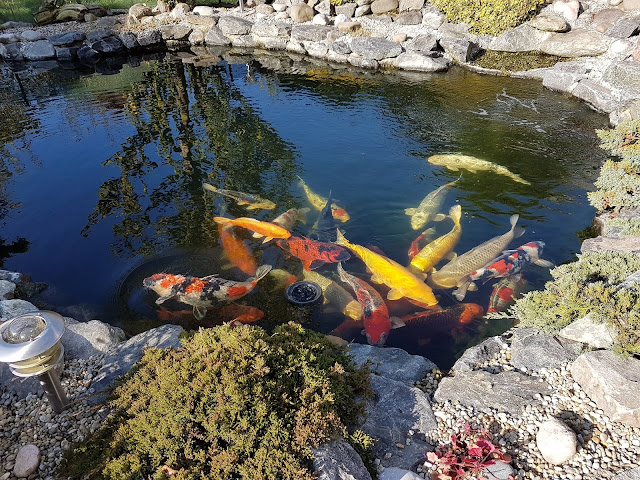
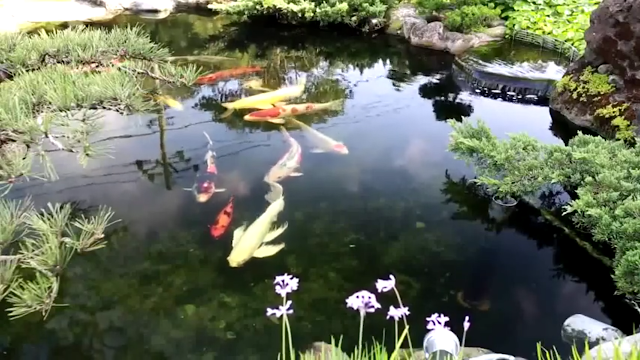
These colourful fishes which you often see in a great pond in Japanese  shopping centres and restaurants are becoming increasingly popular as a garden pond in the backyard. These  brilliantly coloured fish are called Koi fish and it's the result of German and Asian carp selection breading. If you plan to install a Koi fish pond, you must first learn how to care Koi fish. Koi fish, like any other fish, have certain needs. If these needs are not met, your Koi will suffer. The first thing that can kill a Koi is ignorance. Use this article to help your Koi stay happy, healthy and active.

Koi


Building a Koi pond

   You can buy a Koi pond made of several different materials in pet stores or Koi Specialty retailers. A safe rule is that Koi pond measurements must be at least 3 feet (0.914 m) Deep and contain  1136 litres (300 gallons) Per fish. You should make a larger pond than you need right now, so you can add fish later.
                      A Koi pond is more than a pond. This is the house for your Koi. Koi pond must remain clean and provide a comfortable environment in all types of conditions. The filtration components keep the pond clean and clear.
                    For more details about all equipment, and detailed information please click here.


Cycling Koi pond

  Before adding any fish cycle your Koi pond property. To know more about how to Cycle Koi pond read this article.

Buy Koi

        You can purchase Koi in online stores, on specialized Koi farms or in some cases in pet stores. Healthy Koi are not overly energetic or too lethargic and swim vertically in the water. If possible, inspect your fish before buying it. A healthy fish is more important than a cute figure.
                  We describe more detail Koi buying related all things to view this click hear.


How to Acclimatize Koi Fish ?

        To read about Acclimatize Koi fish click hear.


Feeding your Koi.

     Koi are omnivores. They eat various fish products and can eat cereals, vegetables, worms and fruits. You can also purchase special Koi food. Experts recommend changing food, even if it's just a Koi food pellet, because some Koi will not eat new foods if they are used to a certain type of food.
   
(For more Details about Feeding koi click hear.)

  • In warmer weather, you can feed some small amounts of food a few times a day. Co have a very small digestive tract, so you need to control the amount of food that you give them.
  • In cooler conditions, you need to feed Koi once a day.
  • Koi enters hibernation mode when the water temperature drops below about 46 F (7.7 C). There is no need to feed Koi when the water temperature is low.

Koi care in Different weather

         In Different weather Koi needs different types of care to read this article click hear.


Koi fish pond

Keep water fresh.

 Although some Koi ponds are large enough for natural carbonation, pumps and filters can ensure that the water in which your Coy lives remains fresh. You can use water supplements from the Koi pond. Two examples of additives are products designed to maintain healthy water and pests. (Do not forget to be careful what you add to your aqueous solution, I. Pesticides, remedies, etc.)

      To read details about water parameters click here.

Remember about potential health problems
To develop their impressive colours, Koi are very inbred and he was over 200 years old. Because of this inbreeding, domesticated Koi have a weak immune system. Common problems can be noted by watching Koi during feeding. Lethargy, lack of nutrition or loneliness from other fish can indicate a problem. Koi fish is too vulnerable to parasites or bacterial infections if they are injured. The master key to healthy Koi is clean water. If possible, quarantine a sick fish in a separate pond. If the fish does not seem healthy, contact the veterinarian who is treating the fish.


Quarantine koi fish

  If anything happens with your fish, it feels ill then you have to seperet it from other fish and set up a Quarantine tank. For more details click here


Natural Sunlight

        Most animals that live on Earth need sunlight in some way, indirectly or directly. Koi needs sunlight in both directions. Whether it's on plants that they eat, or on their colored pigments that they produce.
Natural sunlight illuminates the colors of Koi. This is most obvious with Jagobuki Ogon. If Yamabuki Ogon is stored in a covered tank with only regular lighting, its yellow color will disappear. But, if Yamabuki Ogon is placed in an open pond, its color will return in a couple of months. The same applies to Kohakus, Sankes, Showas ect.
Koi actually look better in natural sunlight. There is something about the wide spectrum of light that the sun produces, which brings the natural beauty of Koi. A good way to see this example is to make two photos. Take one from Koi when he is indoors under ordinary light and one of Koi is outside on a pleasant sunny day. Compare the two photos, and it's easy to say which one looks better.
Natural sunlight also makes Koi more healthy. The sun will heat up the water, and also boost the Koi's immune system. People get vitamin D from the sun, but there is no fish. They should get it from the plants or small organisms that they eat. Vitamin D is essential for good growth and strong bones.
Natural sunlight is also useful for aquatic plants. Aquatic plants require sunlight for photosynthesis, which is a process that uses the plant to produce food and oxygen.
The sun creates danger for Koi. A pond under direct sunlight can easily overheat in the summertime. When the pond temperature rises, oxygen levels decrease. Do not forget about ultraviolet radiation from the sun. The pond should always have a shaded area. This will provide a place for Koi to go to the hottest and brightest parts of the day. Shadow also helps to keep the temperature of the pond.
Natural sunlight has a beneficial effect on Koi. This gives them food, makes them healthier, and this makes them more beautiful.

Saturday, July 21, 2018

What to look for when buying fish Koi ?

- No comments


  • Koi Dealers
  • Health
  • Appearance
  • Price


Koi Dealers

The dealer you buy from Koi must have a clean object. A dealer can have a much higher population density than an amateur, since he keeps Koi will not be there for a long period of time. The tanks in which the Koi is housed should not be filled, and they should either be placed a few feet apart, or there must be a barrier between them. If your dealer has a shipment under quarantine, you do not want to purchase Koi from a reservoir that can potentially be assembled. The water into which the fish got caught must be clean with adequate filtration to support the heavy load on the fish.

The dealer must carry out quarantine and perform viral tests on each of his shipments. Avoid any dealers who ship the cargo to Koi, and then immediately offer them for sale.

Health

Koi, to whom you look, should be healthy. He should show normal behavior. If you notice that the Koi flash (by scratching yourself on the side of the tank) avoids this, it may have a problem with the parasite. Look at Koi for any visible parasites and ulcers. Inspect another Koi from the dealer, if you notice a lot of health problems with your fish, you can go somewhere else.

Appearance


Select the Koi fish:


Body conformation


The body of the fish Koi must be symmetrical, without physical deformations. Women Koi is preferable to men, because of their body shape, when they mature. A mature female has a large body that has a shape resembling an airship. A mature man will have the shape of a cigar.

Skin gloss


Skin condition strongly affects the appearance of the color. If Koi is sick, malnourished, or if he is in a bad environment, the quality of the skin suffers along with the color.

Color Quality


The color should be even throughout the fish. If you were looking at Kohaku, you would not want the red spots to be darker than the others. Keep in mind that the color on the head will look different on the body, as it will not extend to the scale. Inspect Koi for any colour loss. It will be a patch or part that will look faded. Colours should be strong, for example, white should be bright, without yellowing.

Border


It is necessary to define the border of the colour template. Blurred edges will look worse as Koi grows.

Colour scheme


The colour should be evenly distributed over the upper body of the fish. Kohaku with red patterns towards the back of the fish will look less impressive than one with a stepping pattern on the back.

Price

Most small Koi have a fixed price. Larger Koi are calculated on an individual basis. Japanese Koi adorn the highest prices. They are the winners of the show, and they retain their colour because of the strict rules of reproduction. Most domestic (US divorced) And imported (Malaysia, Indonesia, China, etc.) Pisces Koi are readily available, but often remain small and lose their colour. Be careful with the dealers who try to sell you Koi with inflated prices. Often, they will designate Koi as "imported", or they will sell domestic Koi with "Japanese parents" to "improve" the value of their Koi. Any dealer worthy of his salt will know the source of his Koi.


(Go back to Koi care)

Friday, July 20, 2018

Cycling Koi pond

- No comments


Biofilters rely on nitrifying bacteria to remove toxins produced by Koi from water and then oxidize them as virtually innocuous by-products. Since all bacterias are living organisms, you require two basic things, food and shelter. Their shelter is your biological filter and their food is ammonia that Koi excretes.

Nitrifying bacteria need time to multiply and colonize your filter. This is known as cycling. It usually takes 4-6 weeks for the nitrifying bacteria to accumulate sufficient numbers to track the fish load in the pond. There are two types of nitrifying bacteria, Nitrosomonas, which take care of Ammonia and Nitrobacter, which takes care of nitrite.

Before putting your Koi in your pond, your biological filter is dead. There are no nitrifying bacteria living on the media. This means that if you put Koi in your pond, the toxins are not oxidized and accumulate. If no action is taken, the toxins will harm your Koi.

Now, as the bacteria grow and colonizes your filter, the level of ammonia will continue to increase until there is an adequate amount of Nitrosomonas. When there is enough in the filter, the ammonia level will reach its peak, or peak, and it will begin to fall. It will be slow at first, but will grow as more and more bacteria grow. Soon you will end up with enough Nitrosomonas bacteria needed to absorb the ammonia, so that the number of them in your filter will drop a little after the peak, unless you continue to add more ammonia. The same thing will happen for Nitrite with the bacterium Nitrobacter.

If you did not know, Nitrobacter turns nitrite into nitrate. Nitrate is not toxic at low concentrations, but high levels may be immunosuppressive. Nitrate is controlled by changes in water and / or large amounts of vegetation.

If you did not run a biological filter, your Koi will have to pass through the ammonia and nitrite Spike.

There are two things you can do to prevent this:

Buy a cheap goldfish and put it in your pond to run the filter.

Put ammonia in your pond to run the filter.

The best option is to put ammonia in the pond. The cheap goldfish can be loaded with parasites and it is not good to pass them through the ammonia / nitrite tips.

How to cycle a filter


Add Some ammonia to the water, enough to bring the level to 5 - 8 ppm. Add more or less ammonia depending on the initial fish load. Remember, it is safer to grow more nitrifying bacteria than necessary. Make sure there are no additives in the ammonia that you use that could harm your Koi. Also make sure there are no fish in the pond. Ammonia is a poison to fish.

Be wary of pond products that claim they can speed up the recycling process.

The cycle is the natural way to clean organic toxins. Nitrifying bacteria are slow-growing bacteria and nothing in a pot or box will grow them faster.

Make sure you have a test kit and frequently check the quality of the water.

You will need to be able to test for:


  • Ammonia
  • Nitrite
  • Nitrate


After a while, you will notice that the nitrite levels will increase and ammonia levels will fall. This means that Nitrosomonas grows in your filters. The level of ammonia will continue to drop until it is gone and you will still have a lot of nitrite in your pond. After a while, you will notice that there will be an accumulation of nitrate in the water. It is Nitrobacter that does its job, it turns Nitrite into nitrate. When all the nitrite is gone, the cycle is complete and your biological filter is ready for the expected fish load.

Before adding fish, make a large change of water to remove nitrate. If you are not able to put Koi in your pond right now, add more ammonia to keep the nitrifying bacteria alive.

(Go back to Koi care)

Thursday, July 19, 2018

Koi care in different season

- No comments

Koi fish

Spring

Spring is one of the worst times of the year for Koi, there are so many things to deal with. There are water temperatures that have more ups and downs than on a roller coaster. Then there are a large number of predators that are probably really hungry and are looking for pleasant fresh food after a long winter. Do not forget Aeromonas Alley, a danger zone of 40 ° F - 50 ° F, when your Koi immune system is closed, but harmful bacteria are still active. Your Koi also must deal with those people who deplete organisms, parasites.
But do not let everything that knocks you down. The best thing you can do for your Koi is to equip them with enough oxygen and make sure that they have as little stress as possible. If you are lucky enough to have a pond heating system, you must pass through this zone 40 ° F - 50 ° F as quickly as possible. You can also use it to check for these temperature fluctuations.
Watch out for your Koi. Look for any signs of a disaster, such as an ulcer, or if your Koi does not swim to the right. If you have emergency care, contact a veterinarian who is knowledgeable about Koi's health.
Begin to feed your Koi when the water temperature is constantly above 50 ° F. A good rule of thumb: if your Koi asks for money on the surface of the water, they are probably hungry and decide it's time to start eating. It is a good idea to use Koi food, which is high in wheat germs, it is easy to digest.

Summer

Summer is the warmest and sunny season. The temperature of warm water increases the metabolism of Koi and their immune system. Summer is a period of growth for Koi, they will be easy to eat 3-5 times a day. You just need to make sure that your filter can handle all of your Koi waste, otherwise they will suffer from the accumulation of ammonia and dissolved solids in the water. In addition, if you do not have a filter of sufficient size, your pond will probably look like a bowl of pea soup!
One thing you should look at in the summer is your DO (dissolved oxygen) level. The warmer your water is, the less oxygen it can hold. Store a sufficient amount of aeration in your pond at any time. It does not matter if it's an air pump and an air stone, or a big waterfall. The minimum level required by Koi is 4 ppm (parts per million). Keep in mind that 4 ppm is the minimum level, the DO level should always be much higher. Your Koi needs oxygen to live.
The ideal temperature for Koi in summer is around 70 ° F - 75 ° F. This is the most convenient temperature range for them. See these dog days. If you have a shallow pond, the water temperature can rise to dangerous levels, and your Koi can suffer. Provide some cover or some shade for your Koi so that they have a place to get out from under direct sunlight.

Koi likes to make mistakes. It's not uncommon to hear them splash on the surface at night, when they try to get insects that are near the surface of the water. The use of beetles, as well as the daily diet and the temperature of warm water will make them grow very quickly.

Autumn

Koi care
Fall, a season when everything seems to fall: leaves, water temperature and do not forget the worst, immune system. Koi are Poikilothermic, which means cold-blooded. The temperature of their body corresponds to the temperature of the water. You will notice that when the water drops below 60 degrees, your Koi will slow down. This is a critical period of time. Watch your Koi for any signs of distress or any complications with parasites. If you have an indoor over the winter tank, now is the best time to take a Koi for the winter. You do not want to wait until the water temperature becomes too low, otherwise you will damage the Koi with a large temperature change. Make sure that your overly wintering tank is covered, Koi seems to like to jump when they get a new environment.
When the temperature begins to fall, switch to Koi food, which has a high percentage of wheat germ and a low percentage of protein. This mixture will be easy for your Koi to digest and help purify their digestive system. Stop feeding your Koi at all when the temperature is below 50 degrees Fahrenheit. They may look hungry, but if you feed them, the food in the stomach will rot and they will suffer.
Loosen your pond completely clean. I will write again, KEEP CLEAN CLEAN. This means that you immediately remove leaves and other debris from your pond. If you leave this material in your pond all winter, it will start to decompose, and it will release toxic gases. It will also contain anaerobic bacteria, they also produce toxic gas, hydrogen sulphide.

winter

Winter, the coldest season of the year. If you live in the lower regions, then you probably get snow and ice. Koi does not sleep in the winter, so they do not eat or produce any toxins. Do not feed your Koi if the water temperature is below 50 ° F. Food will sit in the koi's stomach and rot.
It's a good idea to save space in your pond for gas exchange. Carbon dioxide must come out of the water, and fresh oxygen must get into the water. This can be done with the electric drive of an aquarium and / or an air navigator. You can also use a heater for gutters, but they are expensive to run. It's also a good idea to put an airstone in your pond to put your Koi with new oxygen. Place the airway near the surface so that you do not mix water from the pond.
You will probably notice that your Koi sits at the bottom of your pond. This is normal, Koi are Poikilothermic (cold-blooded), so their activity level coincides with the water temperature. In winter, Koi will go to the warmest area. As the water is denser at 39.2 ° F, warmer water will be at the bottom of your pond.
Make sure that the water temperature does not drop below 34 ° F. If this happens, ice crystals will begin to form on the gills of Koi. Crystals of ice can kill Koi. Do not add salt to the pond in winter. Salt reduces the freezing point of water, so if you add something to your pond, it can kill your Koi, because the water temperature can drop below 30 ° F.
It's also a good idea to close the waterfall. The only thing that will make a waterfall in winter is to lower the temperature of the water. The waterfall can even freeze, because of what all the water is pumped out of your pond.

(Go back to Koi care)

Wednesday, July 18, 2018

Koi fish care - Water parameters.

- No comments

Water quality is a very significant aspect of Koi Keeping. It is all-important that the perfect water quality is maintained for your Koi to thrive. If a pond is under filtered, the Koi and the other fish will suffer. The four most significant water quality parameters are explained below▪

•Ammonia (NH3)

Humans and other animals usually convert ammonia to carbamoyl phosphate from the enzyme carbamoyl phosphate synthase, and then it is either used or expelled in different ways.But Koi and other fish have a lack of this mechanism, so that they are released directly into the water.

•Nitrite (NO2-)

Nitrite is formed in the second stage of the nitrogen cycle. It is not as toxic as ammonia, but long-term exposure can cause problems.

•Nitrate (NO3)

Nitrate is a by-product of the nitrogen cycle, which is the process by which bacteria transform the toxins produced by Koi into non-harmful substances. The bacterium, Nitrobacter, converts toxic nitrite to nitrate.

•pH

PH is the measurement of active and floating hydrogen ions in water. A pH level of 7 is neutral, a pH level below 7 isPHcidic and a pH level above 7 is alkaline.

(Go back to Koi care)

Monday, July 16, 2018

How to acclimatize Koi fish ?

- No comments


Acclimation is the process of soft introduction of Koi into a new environment.

There are many reasons why you may need to acclimatize Koi fish into a new pond or tank. Perhaps you bought a new Koi and take it home to quarantine. You may need to bring your Koi in the room in the fall. Other reasons include:

Moving patient Koi to a hospital tank
Moving to a new house
Your fish is a Koi show participant
temperature
The most important factor when introducing Koi into a new pond is the equalization of the temperature of water in a bag with water in a pond or quarantine tank. A sudden change in temperature will interfere with the metabolism of Koi and can kill the fish. Slowly acclimating fish, their metabolism will allow for the change in temperature.

Koi fish can withstand temperature fluctuations in Fahrenheit 20 degrees during acclimatization. A greater temperature difference should be avoided. Think about how to adjust the temperature of the new pond, Koi will be within 20 degrees F from the old pond. Koi is easier to adapt to a higher temperature than to adjust the temperature of colder.


Steps of acclimatization

Pond or tank, which includes fish, must have a pristine water quality. Moving and acclimatization of Koi is quite difficult, not dealing with poor water quality. Float the bag or tube in which Koi is located for 1/2 hour (longer if the temperature change exceeds 10 degrees F). Take Koi out of the bag with your hands or a sock net. Do not use a conventional mesh, it will remove the mucus when you lift the fish from the water. Discard the water in the bag. Do not unload it into a pond, it contains fish waste, and water will have an unstable pH level. Cover the tank with a mesh. Koi change when their environment changes. Place one or more (depending on the size of the reservoir or pond) of polystyrene foam, one to two square feet in size. This will provide a place for Koi to hide while they adjust to their new home.

old style

If you think: "Wait a second, should I not slowly introduce Koi into fresh water from the pond?" Then you are partially right.
The old school of thought was:
To swim the bag for 20 minutes, open it, and then add 25 percent water. Repeating until the bag barely swims, and then lets go Koi.

or,

Drop the water and Koi into the tub. Float the tub in a pond and slowly add water for half an hour.

Now the general consensus (see Koi Kichi) is that equalizing the temperature and getting Koi out of the water with a dirty bag as soon as possible is better than equalizing all the water parameters before introducing Koi into your pond. It is believed that a rapid pH change has less harm than Koi, immersed in water with a high content of ammonia and CO2 for a long period of time.

(Go back to Koi care)

Sunday, July 15, 2018

Every Koi pond should contain

- No comments

Bottom drain

The bottom drain is placed in the deepest  portion of the pond. It takes in all heavy and solid waste that is found at the bottom part of the pond.


Pump

This is used to fill your pond water.

Air pump

An air pump and an air stone will supply fresh oxygen to the Koi.

Surface skimmer

The surface skimmer removes all types floating debris such as uneaten food and leaves.

Bead filter

The bead filter performs two types of filtration. The filter media provides a place for growing nitrifying bacteria and captures all types small pieces of waste. Bead filters have a backwash function for easy cleaning.

UV ligh

The UV light sterilizes the algae that makes the water of the pond green.

Optional equipment


Protein skimmer

A protein skimmer removes the waste that dissolves in water. By establishing the water super clean, it allows the Koi fish to grow more because they will not feel that the pond is crowded.

Sieve of Cetus or Vortex chamber

A Cetus sieve or vortex chamber takes the waste that flows from the bottom drain and separates it from the water in the pond. These will cut down a lot of maintenance on the ponds that are near the trees.

Create a safe environment

The easiest way to build a pond for Koi stable in all seasons is to make it deep. A pond which is five feet deep will not experience the same temperature fluctuations as those two feet deep.

Most ponds that have predator problems are built with shallow sloping sides that allow the creatures to wade into the pond. A Koi pond built with steep walls will deter most predators from getting into the pond.
(Go back to Koi care)

Saturday, July 14, 2018

What to serve your Koi

- No comments


There are many factors to consider when feeding your Koi:


  • Filter Size
  • Size of the pond
  • The type of filter and the amount of time that can be cleared
  • How many koi in your pond do you have?
  • What time of year is it

Most people usually feed their Koi 2-5 times a day. If you feed them 2-3 times a day, they will grow slower or even stay about the same size. If you feed your Koi 3-5 times a day, they will grow quickly and reach their maximum size before.

You need to see how much you feed your Koi; you do not want to overload your biological filter. If this happens, most likely your pond will have an ammonia pin that can damage or kill your Koi. Excessive nutrition of your Koi can harm your Koi. They may be obese, and then suffer from health problems.

The more you feed your Koi, the more waste they will allocate. You will need some way to remove the waste, or it will grow at the bottom of your pond. A good way to remove fish wastes is to install lower drains and feed them into the filter. You will also need time to clean the filters, otherwise they will grow waste, and water will pass through your filter material.

If you have a lot of Koi, you will need a large pond and a large filter if you plan to feed and grow a lot. Most Koi usually grow up to several feet in length, but if you have a Koi with a good pedigree, it can grow to 3 feet in length. Daylight saving time is the period of development of Koi. In a natural environment, Koi will eat as much as it can during the summer to store fat to live in winter, when food is in short supply. You must feed your Koi food high in protein throughout the summer to increase their growth rate.

Koi can also be fed. Koi love watermelons, lemons, grapefruits, oranges, bread, earthworms, larvae and many other useful fruits and vegetables. If you feed them treats once in a while, be sure to cut them into small pieces so that your Koi can easily eat them. Fruits, such as oranges and grapefruits, can be reduced by half and thrown into the water.

In the autumn, when the temperature of your pond falls below 60 degrees Fahrenheit, you must start feeding your own food that is high in wheat germs to help clear their digestive system. When the water temperature begins to drop below 50 degrees Fahrenheit, you should stop feeding them altogether. When the water temperature becomes so cold, the Koi digestive system stops, and any food left in them begins to rot their digestive tract.

In winter, Koi does not eat at all. Their metabolism slows down to crawl, so they only need fat to live in the colder months. In the spring, your Koi metabolism will begin, so it's good to feed them with easily digestible food, which is high in wheat germs. You can start feeding them as soon as the water temperature in your pond is constantly above 50 degrees Fahrenheit. A good way to tell when to start feeding your Koi is to look at the sides of the pond to see if they feed on the algae that grow on it. Start by feeding them once a day, and then gradually increase the amount that you will be fed during the summer. When the water temperature constant increases by about 60 degrees Fahrenheit, you can start feeding your food with a high protein content of Koi.

A good meal of Koi will have full proteins. Good food, Koi also stabilizes vitamin C. Stabilized vitamin C lasts several months before it breaks down, and normal vitamin C has a maximum shelf life of 90 days.

It is not recommended to feed Koi with cheap zooms, they usually consist of poor proteins and fatten your Koi and do not grow them. Inexpensive chow-chow-chow also tends to the fact that the colours of Koi also disappear.


Good fruit for feeding Koi


Koi eat fruit


Koi are omnivorous, so they can eat a variety of things, including fruits. Fruit is a good thing to feed Koi, because it provides a fresh source of vitamins and minerals. It's also interesting to watch how your Koi digs around the fruit and tries to eat it. Be sure to wash the fruit very well before putting it in the pond, the skin can be pesticides or chemicals. Here are the three best fetuses for feeding your Koi:

oranges

Oranges are an excellent source of vitamin C. Oranges can be cut in half or quartered, and then put directly into a pond. Koi will swim after the orange, like a group, so that everyone can get a piece of cellulose. Who will eat everything but the skin, it must be later removed from the pond.

lemons

Lemons are also a good source of vitamin C. They can be cut in half or quartered, and then put directly into the pond. Who will eat everything but the skin, it must be later removed from the pond.

Watermelon

Watermelon is a good fruit to feed Koi. It needs to be cut 2 - 3 inches so that it can be easily eaten. Try to remove most, if not all, seeds, because they are not very easy to digest, and they will be difficult to clean from your pond.

Feeding your fresh fruit Koi is very good for them. Vitamins and minerals in ready-made food Koi tend to break down after a couple of months. Feeding your fresh Koi fruit is an excellent guarantee that they get all their nutrients.

(Go back to Koi care)

Sunday, July 1, 2018

How to quarantine a Koi fish

- No comments


Every new Koi that you receive should be quarantined. A Koi can harbor a parasite, bacteria or virus without even showing any symptoms.  If you place an un-quarantined Koi in your pond, you risk the well being of your entire collection.  Performing a quarantine cycle will keep both the new fish and your existing collection safe.  It will also allow you to asses the health condition of the new fish.


  • Contents
  • Quarantine Tank Setup
  • Materials
  • Quarantine Procedure
  • Examples


Quarantine Tank Setup

The quarantine tank can be a lot smaller than a pond because it will only be a temporary home for the Koi.  Most quarantine tanks are 100 to 500 gallons in size.  Larger size tanks are impractical for any Koi except the large jumbo varieties.  Smaller tanks are also useful for any treatments that could be applied (they are also cheaper to heat).

In addition to the tank, the quarantine setup should also include thefollowing equipment:


  • Filter
  • Air Pump
  • Heater
  • Net Tank
  • Cover


Filter

The water quality will need to be in pristine condition.  The new Koi will be stressed out enough from the move and poor water quality will further its immune system.  The filter should be able to be bypassed so it won’t interfere with any treatments. A chemical filter that uses activated carbon can be used, since the tank is only used for a limited time.  A biological filter can also be used to clean the water, but the bacteria in it will need to be grown for at least six weeks beforehand in order be able to handle a fish load.

Air Pump

The tank will need a constant supply of fresh oxygen.  The air pump should sit above the tank in case of a power failure (If the air pump is installed below the water level, water can siphon back into the air pump and wreck it). A spray bar can also be used to aerate the water, but it will be noisier.

Heater

An aquarium heater should be installed on the tank.  It should be large enough to keep the water temperature between 74 and 76 degrees Fahrenheit.

Net

The quarantine tank will need its own net.  You do not want to use the same net for the pond and the quarantine tank because of the risk of cross contamination.  A pond net may also be too large for practical use in a small quarantine tank.

Tank Cover

The tank should have a net that covers the top to keep the Koi from jumping out.  Koi are capricious (jumpy) for up to two weeks when they are introduced into a new environment.  A clear piece of acrylic can also be used.


Materials

The following materials are not required, but will help with the quarantine procedure:


  • Salt
  • Parasite and fungal Treatments
  • Tricide-Neo
  • Microscope
  • Water Test Kit


Quarantine Procedure

Use the following steps to properly quarantine your fish:

Get the quarantine tank up and running. This includes getting the bacteria colonized in the filter and adding 1% (one pound salt per 100 gallons of water) salt to the water. (Make sure the salt is pure rock salt and has no iodine or any water treatment additives.) The water temperature should be 74 to 76 degrees Fahrenheit.
Acclimate the new Koi fish in the quarantine tank.
Cover the tank with the net.
Place a piece of plastic or a piece of pink Styrofoam insulation over the net so the Koi has some shade. This will allow the Koi to feel safer in its new, temporary home.
Test the water parameters daily for the first week. You should test for: temperature, pH, Ammonia, Nitrite and salinity (if salt is added to the water). If they are stable after the first week, you may switch to testing every few days. Test kits can be found at Koi dealers and pet stores.
Don’t feed the Koi for a few days until it has become used to its new surroundings.
Keep an eye on the Koi. It should swim around the tank without scratching its side (also known as flashing). If the Koi is flashing, it may have a parasite infestation. If you suspect that the Koi has a parasite infestation, you can try to treat it with a broad spectrum parasite treatment or you can have a veterinarian that is knowledgeable in freshwater fish care come and examine the Koi. The veterinarian will perform a scraping of the slime coat with a microscope slide and will possibly take a gill snip. The veterinarian will then examine the slide under the microscope to try and identify the parasite that is afflicting the Koi. Once the parasite is found, the veterinarian will prescribe a parasite treatment regimen that will get rid of the infestation. If left untreated, the damage caused by the parasites could lead to an infection. Only antibiotics will treat an infection that a Koi is experiencing.
If the Koi is alone, it may hang out near the bottom.  This is normal behavior.  If it is sitting on the bottom with its fins clamped, it may had a parasite infection

Perform a 25% water change weekly. This can be done all at once or by changing a a small amount of water every day. If you are comfortable, catch the Koi and examine the entire surface of the body. An ulcer may have popped up on its underside, which is impossible to see when viewing the fish from top down. After three weeks and if the Koi fish is large enough, you may want to have a KHV (Koi herpes vius) ELISA test performed. A KHV ELISA test will let you know if the Koi fish has ever been exposed the the virus or if it has been vaccinated for the virus. (Introducing a Koi that has been exposed to KHV into your pond puts your entire collection at risk. If you experience a KHV outbreak, you can lose almost your entire fish population in your pond in a matter of days.) A blood sample is required to perform an ELISA test, if you don’t know how or are uncomfortable with drawing blood, consult a veterinarian. Wait until the test result is back to move the Koi into the pond. If you did not perform a KHV test, but you feel that the Koi is healthy, you may move the Koi out to the pond if the quarantine period is over. Re-acclimate the Koi if the water parameters for the pond and the quarantine tank are too different.
Remember:

Isolate the Koi in the quarantine tank for at least 3 weeks. Do not introduce a sick Koi into your pond even if the quarantine period is over.  Putting the rest of your collection in danger and needlessly moving a sick Koi is a terrible idea.


Examples


The two following examples show how having the correct procedure will save you time, money and plenty of headaches when the buy a new Koi.


Rohan


Rohan buys his Koi fish from his local pet shop. He thinks that quarantining his Koi is a waste of time and he places them right into his pond with all of his other fish. He can’t stand the thought of missing out of some beautiful summertime Koi viewing. A week after getting his latest Koi, he notices that some of the Koi in his pond are scratching themselves on the rocks. He calls the pet store and asks if they have any problems with the Koi they had last week, but they deny everything. He goes and purchases some parasite treatment, enough for his entire pond because he doesn’t have a hospital tank.


It takes three weeks, and many trips to the pet store, but his fish stop scratching themselves and start to act normal again. Rohan thinks that his problems are over with, but a couple days later he notices a red mark the Koi he bought a few weeks ago. The red mark is an ulcer, an infection that was brought on by the slime coat and scale damage from the scratching. Rohan breaks down and calls the fish vet. The veterinarian comes out to his house, examines the fish and takes a tissue sample for a susceptibility test. Rohan anxiously waits a few days for the vet to contact him when the test results to come back. The vet prescribes an antibiotic injection regimen that will hopefully get rid of the infection and allow the fish to heal.


2 months later


The antibiotics worked and the fish was saved.  It now has a white spot when the skin has covered the wound, but the scales have yet to grow back.  Rohan ended up spending most of his summer trying to keep his Koi healthy instead of enjoying them.


Tina


Tina found a Koi fish that she needed to have at the annual Koi show that was hosted by her Koi club. It was a variety that she didn’t have, but needed in order to get one step closer to completing her collection. She brought the Koi home and put it in her quarantine tank. Tina knows the importance of quarantining, a friend of hers lost her entire collection a few years ago. Halfway during the quarantine period, Tina noticed that the new Koi was sitting on the bottom of the tank. She took out her microscope and took a scraping of the slime coat. She found that a few parasites were on her new Koi. She treated the problem with her well stocked Koi medicine cabinet. The parasites were gone after a couple weeks.


Her new Koi was too small to get a KHV test, but she was confident that it was KHV free since she kept the water temperature above 74 degrees during the quarantine period. After the quarantine period was over, Tina released her new Koi into the pond. It immediately joined the group of Koi fish that were swimming all over her pond and she enjoyed them for the rest of the summer with no problems.

(Go back to Koi care)

Thursday, June 28, 2018

Flowerhorn fish care with some easy steps

- No comments
Flowerhorn, Flowerhorn fish, Flower horn, Flowerhorn fish care
Flowerhorn is a beautiful fish that has very impressive behavior, tone and totally unusual appearance. Flowerhorn cichlid is a hybrid of fish that incorporates as a cichlid family with a beautiful look and strong characteristic, it is also good and prolific. I can bet that the Flowerhorn fish will become your favorite one.


About Flowerhorn 

As an exotic fish, the flowerhorn is a hybrid cichlid fish . It was created by crossbreeding cichlids from Central America by a man in the early 1990s. Started in Malaysia and Taiwan. The four main types are Zhen Zhu, Golden Monkey, Kamfa and Golden Base or Fathers. Different strains exist within these types. And the most famous type is called the Red Dragon Flowerhorn. Cross-breeding has made Flowerhorn fish available worldwide.

Flowerhorn, Flowerhorn fish, Flower horn, Flowerhorn fish care

Things you should Know 

 Flowerhorn cichlid is a large fish with compact body, it can reach up to 30 cm (11.81 inches) and may grow even bigger. Intensive breeding has created a very peculiar fish that becomes really famous and relatively common in the last couple of years. In addition, breeders continue to improve the qualities of the fish with the focus on bigger bumps on the head, new and better colors, wider body and fins, more peculiar black marks on the body without the use of chemical and artificial factors. For the importance of appearance, a good Flowerhorn should follow a standard that defines different aspects of its body.

(i)General body

the body of the fish should be oval and thick, with the whole stomach and abdomen. Some new variants still have a more rounded shape.

(ii)Hump

The hump on the forehead must be large and well proportioned to the size of the fish.

(iii)General coloring

The most common flowers have a predominant red color, in any case each color must be bright, clear and well defined.

(iv)Scales

The whole body should be covered with blue scales or light green.

(v)Black marks

It is important that the marks are thick and well defined, this is one of the main characteristics of Flowerhorn, anyway some new varieties do not give them too much importance.

(vi)Ailerons

The tails and fins must be widely spread most of the time.
Flowerhorn, Flowerhorn fish, Flower horn, Flowerhorn fish care


Required Tank 

 Due to the large size they can reach, Flowerhorn needs a large aquarium with plenty of free space for swimming; A 200 liter tank (52.83 US gallons, 43.99 imperial gallons) is the minimum you can offer to an adult fish to let it live healthily.


Water Conditions

Flowerhorn, Flowerhorn fish, Flower horn, Flowerhorn fish care

It is a very strong fish and can live in different water conditions without problems, in any case it is important to provide a temperature between 25 ° C (77 ° F) and 30 ° C (86 ° F); The pH value is also important because the acidic water can soften the colors of the fish and make them sick, the ideal condition is a light alkaline water, with a pH between 7 and 8. In addition, it is necessary to avoid the sudden variations of temperature and chemical values, as they can make Flowerhorn more susceptible to diseases such as bacterial attacks.

Cycling

       Cycle your tank Before adding any fish.The nitrogen cycle (also known as the nitration cycle) is the process that breaks toxic nitrogen waste products in an aquarium into less harmful components. For this cycle to develop, beneficial bacteria that feed on these waste products need to grow in the aquarium's filter system. Introducing fish to an aquarium without a healthy nitrogen cycle in place is a bad idea  buildup of waste chemicals can put major stress on the fish, even potentially killing him. Thus, cycling is something that every new aquarium owner needs to do to ensure the health and safety of his/her fish.

Filtration


Flowerhorn, Flowerhorn fish, Flower horn, Flowerhorn fish care

Filtration of water is very important because this large fish produces a lot of refusals that end up increasing the levels of nitrite and nitrate in the water. You can choose the internal and external filtration, although the second is better to leave more space for the fish. The biological part should work properly, so make sure you have a well-activated aquarium before housing a Flowerhorn cichlid.

Decoration 

 To make your Flowerhorn fish happy, you can put some aquarium decoration like coral, rock or small stone that is usually used to decorate the aquarium. The Flowerhorn Cichlid fish will play the stone and will make your pet feel comfortable and stay healthy.

Feeding 


Flowerhorn, Flowerhorn fish, Flower horn, Flowerhorn fish care

Flowerhorn fish need a living food integration to be healthy and fit. Their diet can include live food, frozen food and ordinary fish dry food. The living food should be of good size, or the fish would not notice it, earthworms and large worms of meal or worms are accepted; in addition you can give small fish, Poecilia reticulata could be a good choice since the high number of fry they save monthly. Remember to feed all the live foods you choose, and in the case of live fish, make sure they are in good health.

Frozen food 

Frozen food is another good solution, especially when you do not have one. Young cormorants usually eat chironomus, prawns and other frozen foods, while older ones can not notice them. In their place you can offer frozen fish for human use, you have an excellent choice, anyway if possible get freshwater fish and avoid sea fish.     Live and frozen foods can pollute the water, so make sure that Flowerhorn eats all donated food in 5 minutes maximum, in case of rest, remove them quickly; For this reason, it is best to have an aquarium set up that allows you to clean quickly without the need to move objects.

Dry fish food 

Standard dry fish food is a good complementary option, especially if it is of good quality. You can find special foods produced for cichlids that are usually made of large pellets like Flowerhorn.

Feeding Time 

A flowerhorn cichlid should be fed twice a day, Every day. Anyway be careful with the amounts and avoid overfeeding it. Reducing the amount of food especially if it is really rich in nutrients.

After feeding 

You should keep the bottom of the tank clean of debris. You must clean the bottom while you change the water. Uneaten foods can damage the health of the fish. You should take out the food when you see it at the bottom.

Water Change       

Flowerhorn, Flowerhorn fish, Flower horn, Flowerhorn fish care
Water change will provide oxygen as well as remove nitrates and phosphates from the water. Replace 25 - 50% of the tank water with fresh water at least once a month to keep the tank clean and the water at a high quality.

Breading 

Breeding Flowerhorn is quite easy, especially when they have reached the length of 10 cm - 12 cm (3.94 - 4.72 inches). The anal pore of the fish is V-shaped in males and U-shaped in females. In addition, females tend to have a smaller hump when they are adults.

Flowerhorn, Flowerhorn fish, Flower horn, Flowerhorn fish care

Being cichlid their reproduction may be similar to that of cichlasoma. The female lays eggs on a flat surface, like a stone or an aquarium glass, and takes care of them. While the male moves away the other fish. After 3or4 days, the fries came out and the parents take-care of them by moving to safer hiding places. You can feed them with just chopped shrimp and other specific foods for the fry.

Flowerhorn, Flowerhorn fish, Flower horn, Flowerhorn fish care

Reproduction is not so easy because the female can be easily stressed or worried and ends up eating her eggs. Anyway if the environment is calm and the parents are in good health.


LEAVE A COMMENT 

Is this post helps you ?
Please Let Us Know By LeVing A Comment Yes  Or No.
      Or If you think thear was any problems or any wrong information Please help us by leaving a comment.
  If you like our post please shear  it with your frainds...
😊 Shearing is Caring 😊